
Water damage is one of the most expensive — and most preventable — problems a homeowner can face. In Wichita and the surrounding Kansas area, we deal with everything from heavy spring storms to sudden pipe failures in the dead of winter. By the time you notice the damage, it's often already spread behind walls, under floors, and into places you can't see.
The good news? A little attention now can save you a lot of money and stress later. Here's a practical, room-by-room guide on how to prevent water damage in your home.
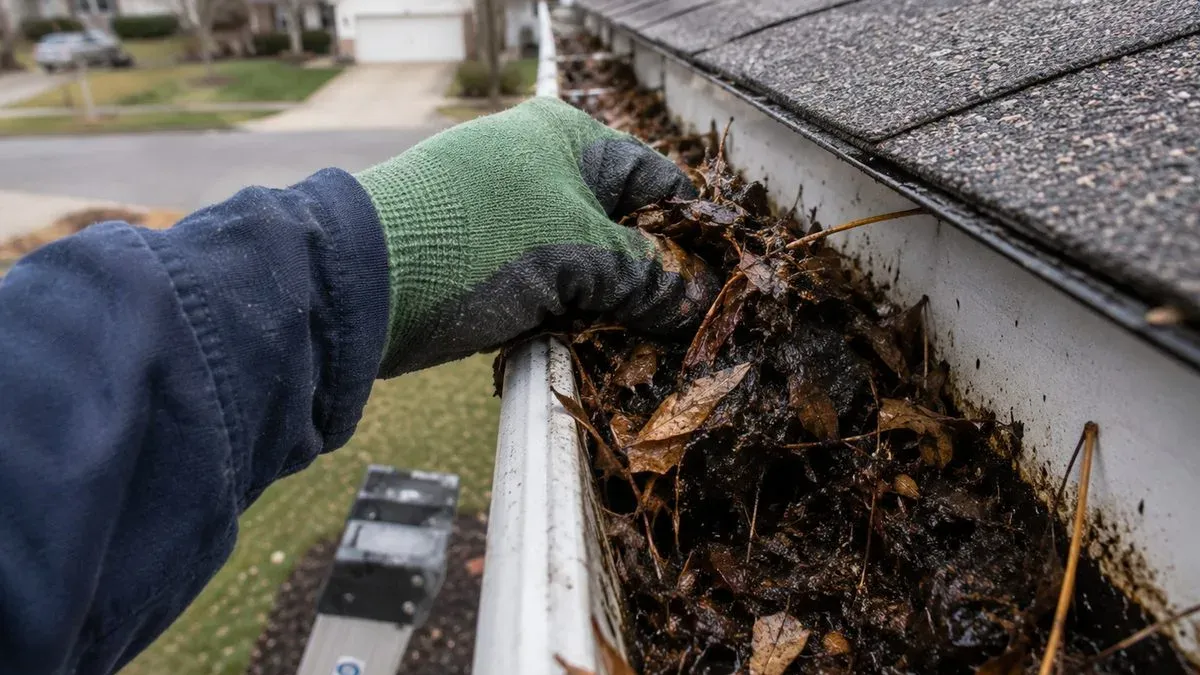
1. Clean Your Gutters and Downspouts Regularly
This one gets overlooked more than any other. Clogged gutters force water to pool along your roofline and pour down the side of your home — straight toward your foundation. In Wichita, where spring storms can dump significant rainfall in a short window, that's a recipe for basement flooding.
What to do:
- Clean gutters at least twice a year (spring and fall)
- Make sure downspouts direct water at least 4–6 feet away from the foundation
- Check for sagging sections or gaps where water can escape
2. Inspect Your Roof and Flashing
A small roof leak is easy to miss until it's caused major damage to your attic insulation, ceiling drywall, or structural framing. Wind-driven storms are common in south-central Kansas, and shingles can loosen or crack without obvious signs from the ground.
What to do:
- After any significant storm, do a visual check from the ground or hire someone to inspect
- Look for missing, curled, or cracked shingles
- Check the flashing around chimneys, skylights, and vent pipes — this is where leaks most commonly start
3. Know Where Your Main Water Shutoff Is
This sounds obvious, but when a pipe bursts at 2 a.m., you don't want to be searching for the shutoff valve while water pours across your floor. Every adult in the household should know exactly where it is and how to turn it off.
Bonus tip: Consider installing individual shutoff valves under sinks and behind toilets. If a supply line fails, you can isolate it immediately without cutting water to the whole house.
4. Check Appliance Hoses and Supply Lines
Washing machine hoses, refrigerator ice maker lines, and dishwasher connections are among the most common sources of slow leaks and sudden floods. Rubber hoses degrade over time — often with no visible warning.
What to do:
- Replace standard rubber washing machine hoses with braided stainless steel versions
- Check connections every 6–12 months for bulging, cracking, or moisture around the fittings
- Don't leave the house while the washing machine is running if you have older hoses
5. Monitor Your Water Pressure
High water pressure puts stress on every pipe, fitting, and appliance in your home. Most residential plumbing is rated for 60–80 PSI — if yours is running higher, you're accelerating wear on the whole system.
Pick up an inexpensive pressure gauge at any hardware store and test a hose bib. If you're over 80 PSI, a pressure-reducing valve (PRV) is a relatively cheap fix that protects everything downstream.
6. Maintain Your Sump Pump
If your Wichita home has a basement, your sump pump is your first line of defense during heavy rain events. A failed sump pump during a storm is one of the fastest paths to a flooded basement.
What to do:
- Test it every spring by slowly pouring water into the pit until the float triggers
- Make sure the discharge line is clear and draining away from the house
- Consider a battery backup unit — power outages and heavy storms tend to arrive together
7. Seal Basement Walls and Windows
Basement walls that aren't properly sealed can allow groundwater to seep in over time, especially after prolonged rain. Look for white mineral deposits (efflorescence) on concrete walls — that's a sign moisture is pushing through.
Window wells without proper drainage are another common entry point. Make sure they're graded to drain away and consider window well covers to keep debris and standing water out.
8. Don't Ignore Small Leaks
A dripping faucet or slow leak under a sink might seem minor, but persistent moisture leads to mold growth fast — especially in Kansas humidity. If you notice water stains, soft spots in flooring, or a musty smell, don't wait it out.
If you're dealing with water damage restoration in El Dorado, Augusta, or anywhere in the Wichita area, catching it early makes a significant difference in scope and cost.
When Prevention Isn't Enough
Even the most diligent homeowner can get hit by a burst pipe, a backed-up drain, or storm flooding. When that happens, the clock starts immediately — water spreads, soaks into building materials, and mold can begin developing within 24–48 hours.
Good To Be Clean has been handling water damage restoration in south-central Kansas since 2012. We're available 24/7, and our team responds fast because we know every hour matters.
If you suspect water damage — even something minor — give us a call at (316) 320-6767. We'll assess the situation, tell you exactly what you're dealing with, and get your home back to normal as quickly as possible.