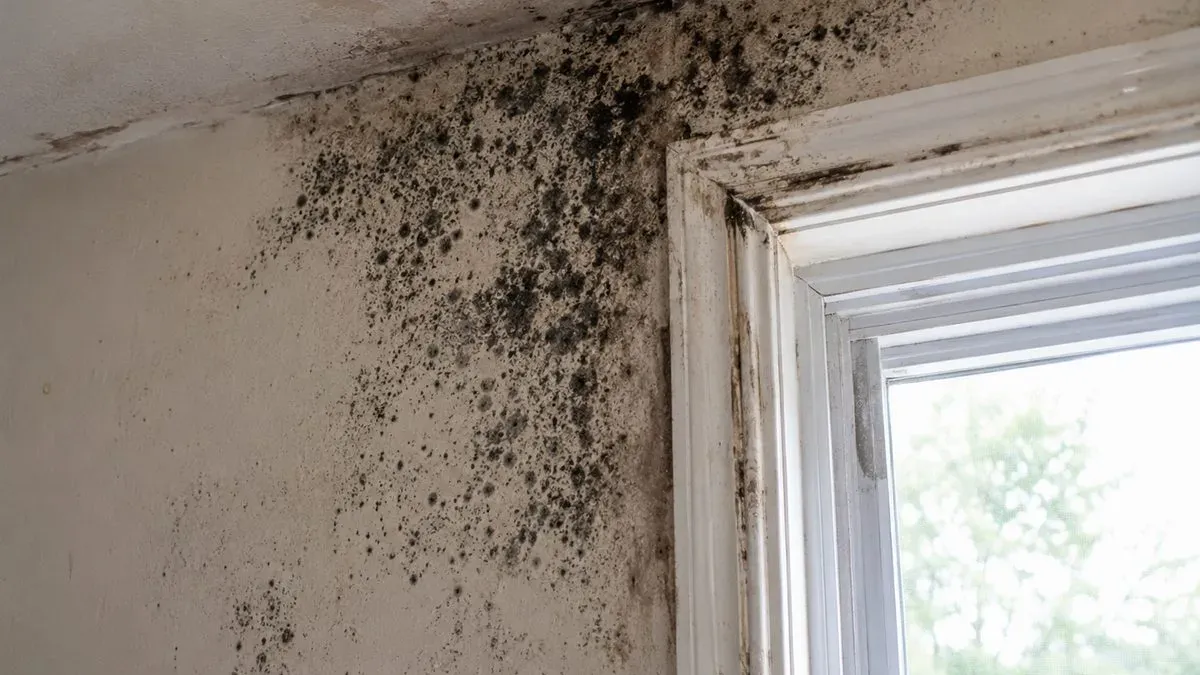
If you've found mold in your home, your first instinct is probably to get rid of it fast. But before you grab a bottle of bleach or call the first contractor you find, it's worth understanding what the law actually says — and what your rights and responsibilities are as a Wichita homeowner.
This guide breaks down the relevant regulations, what Kansas state law covers, and how to make sure any mold removal on your property is done safely and legally.
Does Kansas Have Specific Mold Removal Laws?
Here's the honest answer: Kansas does not have a single, standalone mold remediation statute the way some states do. There is no state-level licensing requirement specifically for mold contractors in Kansas as of 2026.
That said, mold removal doesn't happen in a legal vacuum. Several overlapping rules and standards apply depending on your situation:
- Kansas building codes govern construction and renovation work, including projects that involve opening walls where mold may be present
- EPA guidelines (not legally binding, but widely treated as the industry standard) outline best practices for containment, removal, and post-remediation testing
- OSHA standards apply to workers performing remediation, especially when handling hazardous materials or working in confined spaces
- Local Wichita/Sedgwick County ordinances may apply in rental or commercial properties — check with the City of Wichita for current enforcement details
Landlord and Tenant Rules in Wichita
If you're a renter dealing with mold, Kansas law does provide some protection. Under Kansas landlord-tenant law (K.S.A. 58-2553), landlords are required to maintain rental properties in a habitable condition. Mold caused by structural issues — leaking roofs, plumbing failures, poor ventilation — generally falls on the landlord to address.
Key points for renters:
- Document everything with photos and written notice to your landlord
- Give the landlord a reasonable timeframe to respond (typically 14 days for non-emergency issues)
- If the landlord fails to act, Kansas law allows for remedies including lease termination in certain cases
Key points for landlords:
- Address water intrusion and reported mold promptly to avoid liability
- Hire a qualified remediation company — not just a general handyman — for anything beyond surface-level mold
- Keep records of all work performed and post-remediation testing
What About DIY Mold Removal?
For small areas — under 10 square feet — the EPA says homeowners can generally handle removal themselves with proper precautions (gloves, N-95 mask, eye protection, proper disposal). But there's a catch: DIY removal often misses the source.
Mold that keeps coming back is almost always a moisture problem, not a cleaning problem. If you've had water damage, a slow leak, or flooding, the mold you can see is rarely all of it.
For anything larger than a small bathroom patch, or any mold found after a water damage event, professional mold remediation is the right call — not just for your health, but to protect your home's value and avoid liability if you're selling.
What a Professional Remediation Should Include
Whether you're dealing with a small bedroom closet or a flooded basement, here's what a legitimate remediation job looks like:
- Assessment — A qualified technician identifies the extent of growth and the moisture source
- Containment — Affected areas are sealed off to prevent spore spread
- Removal — Contaminated materials (drywall, insulation, flooring) are removed and properly disposed of
- Cleaning and treatment — Surfaces are treated with antimicrobial solutions
- Drying — The area is thoroughly dried before any reconstruction begins
- Post-remediation verification — Air or surface testing confirms the job is complete
Skipping any of these steps — especially the moisture source fix and post-testing — is how mold comes back six months later.
When to Call Good To Be Clean
Good To Be Clean has been handling mold remediation in El Dorado and across the surrounding area since 2012. Our team responds fast, works cleanly, and doesn't cut corners on containment or documentation.
If you're dealing with mold after a water event, we also handle the full cleanup from water damage restoration through final remediation — so you're not coordinating between three different contractors during an already stressful situation.
We serve Wichita and the surrounding communities. If you've found mold and you're not sure what you're looking at, give us a call at (316) 320-6767 — we're available 24/7 and happy to help you figure out your next step.
This post is for informational purposes only and does not constitute legal advice. For questions about landlord-tenant law or local code enforcement, consult a licensed Kansas attorney or contact the City of Wichita directly.