Not All Mold Is the Same — And Neither Is the Fix
If you've spotted mold in your home or business, the first instinct is usually to grab a bottle of bleach and go to work. Sometimes that's enough. Most of the time, it isn't — and doing it wrong can actually make the problem worse.
Wichita homeowners deal with mold more than people realize. Between the region's humidity swings, spring flooding, and older housing stock, mold has plenty of opportunities to take hold. The method used to remove it should match the situation — the type of mold, the surface it's on, how far it's spread, and what caused it in the first place.
Here's a breakdown of the most common mold removal methods and when each one actually makes sense.
DIY Surface Cleaning (When It's Appropriate)
For very small, isolated patches of mold on non-porous surfaces — think a little mildew on bathroom tile or a window sill — DIY cleaning can work. A solution of water and white vinegar or a commercial mold cleaner can handle surface-level growth.
When it's appropriate:
- Less than 10 square feet of visible growth
- Mold is on tile, glass, or sealed surfaces
- No signs of water damage behind the surface
- No musty odor spreading to other rooms
When to stop and call a pro:
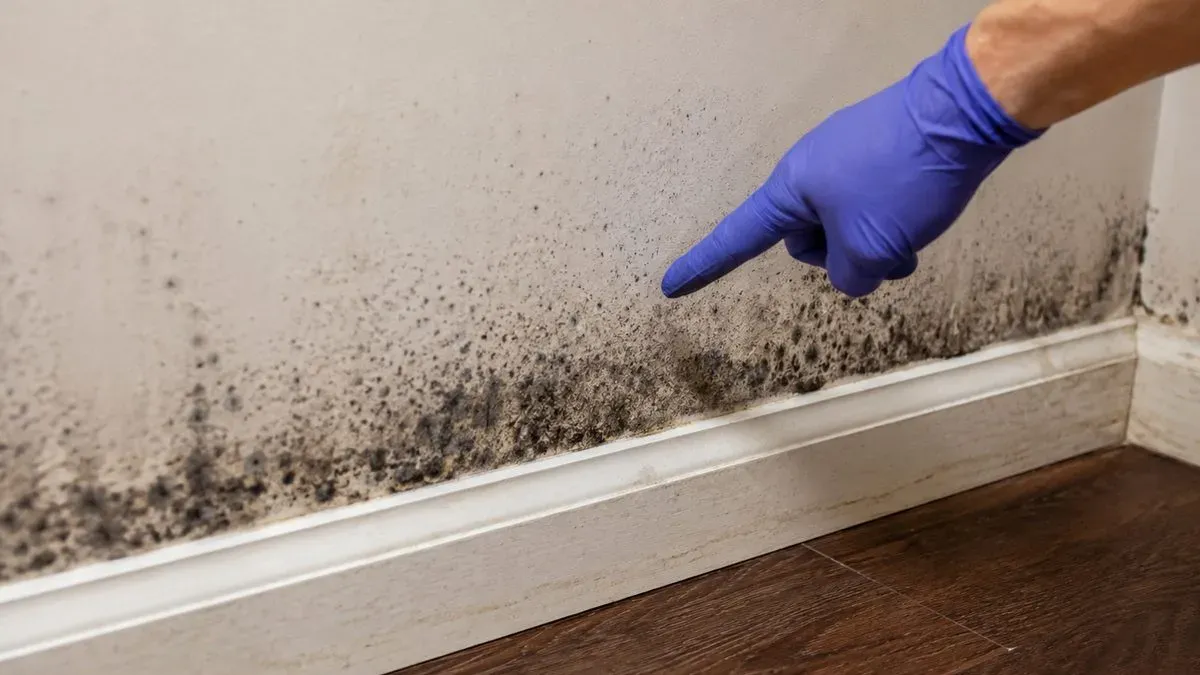
The moment you see mold on drywall, wood framing, insulation, or subfloor — or if the smell is stronger than the visible growth suggests — DIY is off the table. Surface cleaning does nothing for mold that's penetrated porous materials.
HEPA Vacuuming and Dry Brushing
Before any remediation work begins, certified technicians typically use HEPA vacuums to capture loose mold spores from affected surfaces. This prevents spores from becoming airborne during removal.
Dry brushing is sometimes used in combination — particularly on concrete block, wood framing, or crawl space structures — to loosen surface colonies before deeper treatment.
This isn't a standalone method. It's the first step in a larger professional mold remediation process and is critical for keeping cross-contamination under control.
Antimicrobial Treatment
After affected materials are cleaned or removed, technicians apply EPA-registered antimicrobial solutions to the surrounding area. This kills residual spores and creates a protective barrier against regrowth.
Antimicrobial treatment is standard in virtually every professional remediation job — not optional. Without it, you're only removing what you can see. The microscopic stuff that remains is what causes mold to return weeks later.
Containment and Negative Air Pressure
For larger infestations or jobs involving significant mold colonies in walls, ceilings, or HVAC systems, proper containment is non-negotiable. Technicians seal off the work area with plastic sheeting and use negative air pressure machines with HEPA filtration to pull contaminated air out of the space.
This method is especially important in:
- Multi-room or whole-floor contamination
- Jobs that require opening walls or ceilings
- Situations where water damage restoration is happening simultaneously
- Commercial properties with HVAC concerns
Skipping containment on a large job is one of the most common mistakes DIYers and under-equipped contractors make. Without it, remediation work spreads spores to clean areas of the building.
Soda Blasting for Structural Mold
For mold on wood framing, floor joists, attic sheathing, or crawl space structures, soda blasting is one of the most effective methods available. It uses pressurized sodium bicarbonate to strip mold from wood without damaging the substrate.
Compared to chemical treatments alone, soda blasting physically removes the mold colony rather than just killing it in place. It also leaves the surface clean and ready for treatment — no sanding, no wire brushing, no residue.
This is a specialty method that requires professional equipment and experience, but it's particularly valuable for Wichita homes with mold in unfinished basements, crawl spaces, or attic framing.
Full Material Removal (Drywall, Insulation, Subfloor)
When mold has penetrated deeply into porous building materials, there's no cleaning solution that reaches all of it. The only correct answer is removal — cut out and bag the affected drywall, pull the insulation, replace the subfloor.
This is the most invasive method, but in many cases it's the only one that actually resolves the problem. Anything less and you're treating symptoms, not the source.
Which Method Is Right for Your Situation?
The honest answer: it depends on what you're dealing with, and you probably shouldn't try to determine that yourself. Mold hides behind walls, under floors, and inside duct systems. What looks like a small surface problem is often the tip of a much larger one.
Good To Be Clean has been handling mold remediation in Wichita and across Butler County since 2012. We assess the full scope of the problem before recommending a method — not the other way around.
Call us at (316) 320-6767 or reach out online. We offer 24/7 availability because mold doesn't wait for business hours — and neither should you.