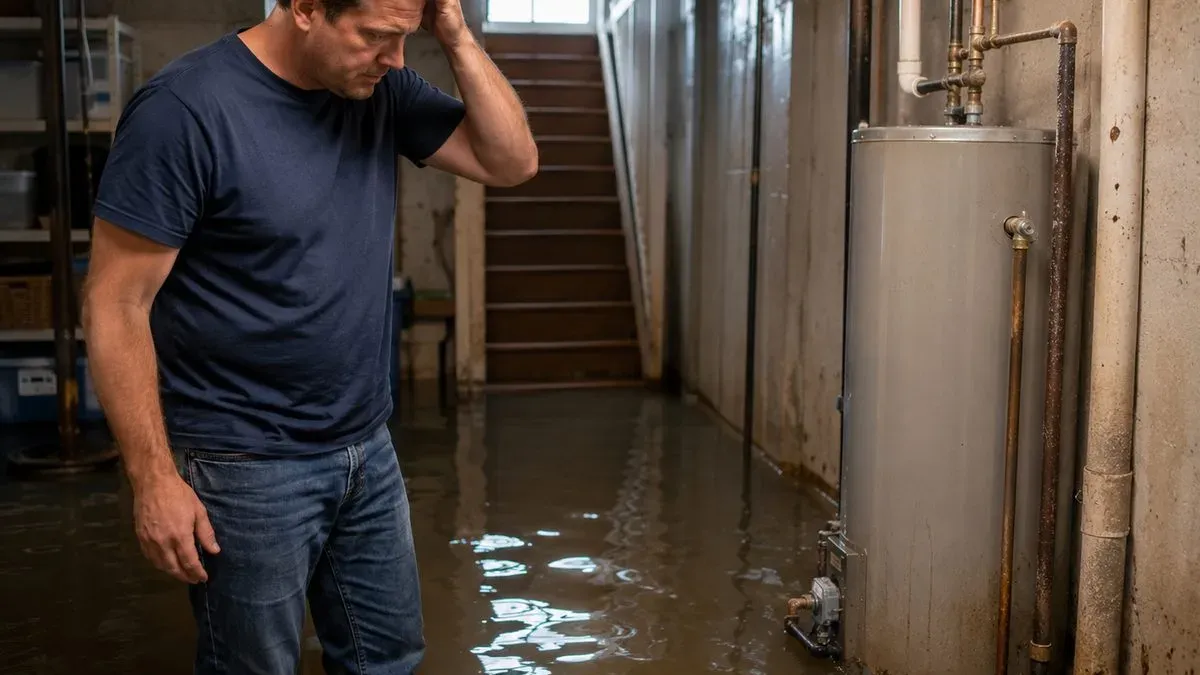
Water damage is one of the most stressful things a homeowner can face. One minute everything's fine, the next you're standing in an inch of water wondering what to do. But here's something most people don't realize: not all water damage is treated the same way. Restoration professionals use a specific classification system — categories and classes — to determine how severe the damage is and what it takes to fix it properly.
If you're dealing with water damage in Wichita or the surrounding area, understanding this system can help you ask the right questions and know what to expect from the restoration process.
The 3 Water Damage Categories (What Kind of Water Is It?)
The "category" refers to the cleanliness of the water — essentially, how contaminated it is. This directly impacts the safety protocols and materials involved in cleanup.
Category 1: Clean Water
This is water from a sanitary source — a broken supply line, a leaking faucet, or a malfunctioning appliance. It poses no immediate health threat on contact. That said, clean water can degrade into a higher category quickly if left untreated (usually within 24–48 hours), especially in warm Kansas summers.
Category 2: Gray Water
Gray water carries some contamination. Common sources include washing machine overflow, dishwasher leaks, and toilet overflow with urine (no feces). This water can cause illness if ingested or if there's prolonged skin contact. Soft goods and porous materials affected by gray water often need to be discarded rather than dried and saved.
Category 3: Black Water
This is the most serious category. Black water is grossly contaminated and can contain sewage, bacteria, and other pathogens. Sources include sewer backups, flooding from rivers or standing water, and toilet overflow with fecal matter. Category 3 damage requires full protective equipment, strict containment protocols, and disposal of affected porous materials. There's no drying your way out of this one.
The 4 Water Damage Classes (How Much Has It Spread?)
While categories describe the water itself, classes describe the extent of the damage — how much moisture has been absorbed and how difficult it will be to dry out.
Class 1: Slow Evaporation Rate
The least severe class. Only part of a room is affected, and materials have absorbed minimal moisture. Think a small leak caught early. Drying is relatively quick and straightforward.
Class 2: Fast Evaporation Rate
The entire room is affected — walls, floors, and the structural materials underneath have absorbed significant moisture. This requires more drying equipment and more time, usually several days minimum.
Class 3: Fastest Evaporation Rate
Water has saturated everything — ceilings, walls, insulation, and subfloor. This often happens when water comes from above (a burst pipe upstairs or a roof leak during a Wichita storm). It's the most common class our team sees after heavy spring weather.
Class 4: Specialty Drying Situations
This class applies when water has deeply penetrated dense, low-porosity materials — concrete, hardwood, plaster, or brick. Standard air movers aren't enough. Specialty drying techniques like desiccant dehumidification or heat drying are required.
Why This Matters for Your Home
When a water damage restoration crew arrives at your home, one of the first things they do is assess both the category and class. That assessment determines:
- What protective gear is required
- Which materials can be salvaged vs. must be replaced
- How many drying units are needed and for how long
- Whether mold is a likely secondary concern
Skipping this assessment — or hiring someone who doesn't use it — is how people end up with hidden moisture, future mold problems, and structural damage that shows up months later.
What to Do Right Now
If you're dealing with active water damage, here's the short version:
- Stop the source if it's safe to do so
- Don't enter standing water if you suspect it's sewage or from an external flood
- Call a professional immediately — the category and class can change fast
- Document everything with photos for your insurance claim
Good To Be Clean has been handling water damage restoration in Wichita and across south-central Kansas since 2012. We're available 24/7 because water damage doesn't wait for business hours.
Give us a call at (316) 320-6767 or reach out here — we'll assess the damage, explain exactly what you're dealing with, and get your home back to normal as fast as possible.